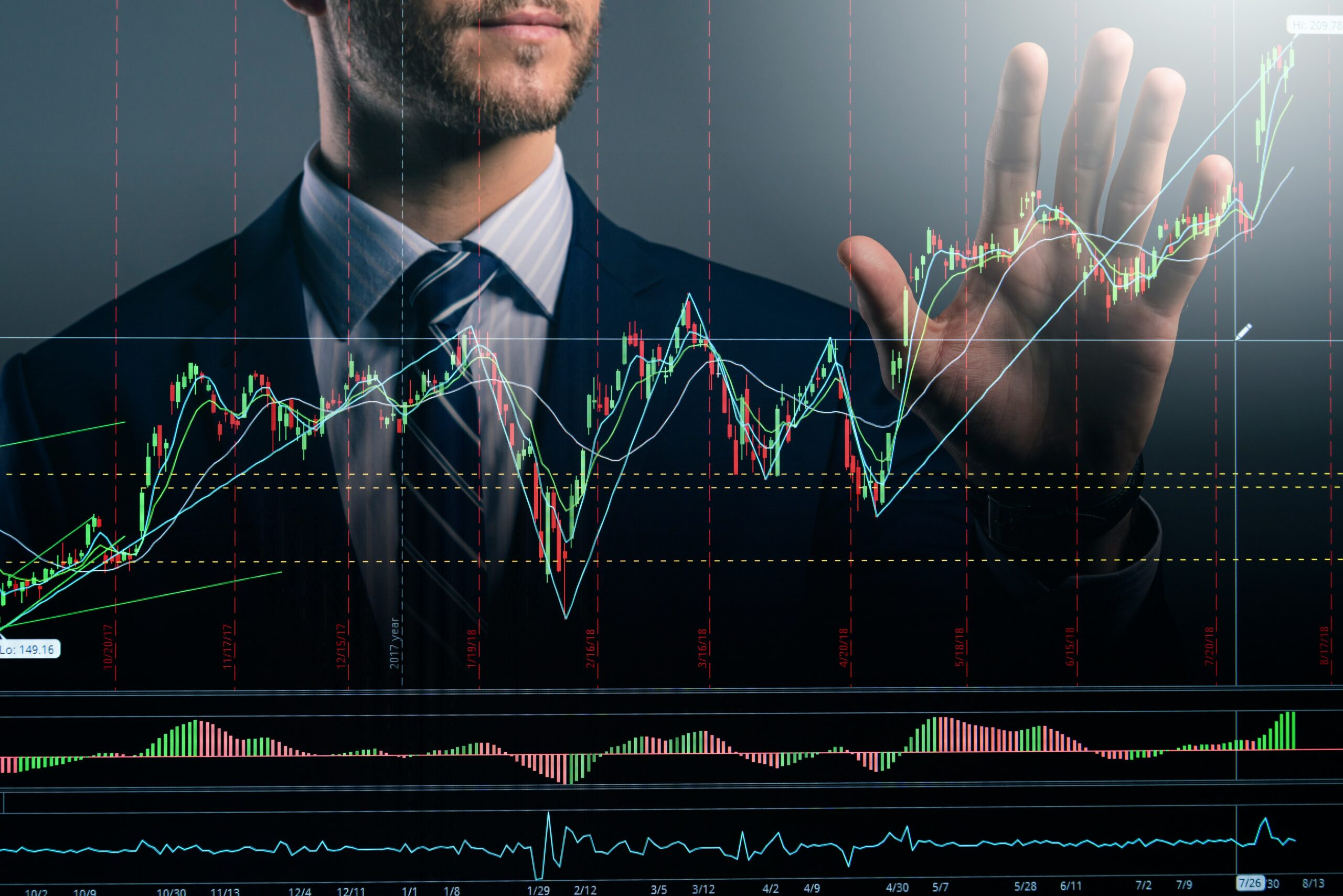
Market inefficiencies create powerful opportunities for smart investing when prices fail to reflect actual value. These gaps appear because information spreads unevenly, emotions drive decisions, and systems lag behind reality. As a result, investors who understand market inefficiencies can act faster, think more clearly, and position themselves ahead of the crowd. Instead of guessing, they rely on logic, discipline, and data to uncover pricing errors that others overlook.
However, identifying market inefficiencies requires more than luck or intuition. Investors must develop the ability to analyze behavior, recognize patterns, and question assumptions. Although markets move quickly, inefficiencies persist because human behavior stays predictable. Therefore, savvy investors learn how and why these pricing gaps form so they can respond with confidence and precision.
Understanding What Creates Market Inefficiencies
They arise when prices fail to incorporate all available information. This disconnect often occurs because investors react emotionally to fear, hype, or uncertainty. While some participants rush to buy or sell, others hesitate, creating temporary mispricing. As a result, assets trade above or below their intrinsic value, opening doors for disciplined investors.
In addition, structural factors contribute to it. Limited liquidity, regulatory changes, and delayed financial reporting slow down price adjustments. Meanwhile, institutional constraints force significant funds to move slowly, even when opportunities appear prominent. Consequently, smaller and more agile investors can exploit these gaps before prices correct.
Behavioral Biases That Fuel Market Inefficiencies
Human psychology plays a significant role in sustaining it. Investors often follow the crowd because doing so feels safe. However, herd behavior pushes prices too high or too low, especially during periods of uncertainty. When fear dominates, quality assets sell at discounts, creating ideal entry points for rational investors.
At the same time, overconfidence leads many investors to overestimate their knowledge. They chase trends, ignore risks, and hold losing positions for too long. Because these behaviors recur across cycles, they persist. Therefore, investors who control emotions gain a consistent edge.
Using Financial Statements to Spot Market Inefficiencies
Financial statements provide a direct path to identifying if. By analyzing revenue growth, margins, and cash flow, investors can spot discrepancies between price and performance. When fundamentals improve, but prices lag, inefficiencies often exist. Savvy investors recognize these signals early and act decisively.
Moreover, comparing financial trends over time strengthens this analysis. Sudden price drops without fundamental deterioration often indicate emotional selling rather than genuine risk. Therefore, investors who read balance sheets and income statements carefully can separate noise from opportunity and capitalize on it.
Valuation Metrics That Reveal Pricing Gaps
Valuation metrics play a critical role in uncovering whether. Ratios such as price-to-earnings and price-to-free-cash-flow help investors compare market value against actual performance. When these metrics fall below historical averages without justification, mispricing likely exists.
However, valuation metrics work best when combined with context. Industry trends, competitive advantages, and growth prospects matter just as much as numbers. Therefore, investors who blend quantitative and qualitative analysis gain a clearer picture of where hide.
Sector Rotation and Market Inefficiencies
Sector rotation often creates short-term kill. As investors move capital from one sector to another, they frequently overreact to headlines and macro trends. This behavior causes strong companies in neglected sectors to trade at discounts, even when fundamentals remain solid.
Meanwhile, popular sectors attract excessive capital, inflating valuations beyond reasonable levels. Because cycles repeat, patient investors monitor these shifts and prepare to act. By doing so, they take advantage of what is created by rotation rather than chasing momentum.
News Events and Short-Term Market Inefficiencies
Breaking news frequently triggers emotional reactions that lead to market inefficiencies. Earnings surprises, geopolitical events, and regulatory announcements cause sharp price movements within minutes. However, initial reactions often exaggerate long-term impact, creating temporary mispricing.
Therefore, investors who pause and assess facts gain an advantage. By analyzing whether news truly affects fundamentals, they can identify overreactions. As prices stabilize, market inefficiencies close, rewarding those who act thoughtfully rather than impulsively.
Liquidity and Its Role in Market Inefficiencies
Liquidity directly influences market inefficiencies, especially in smaller stocks or niche markets. When trading volume remains low, prices react sharply to small orders. As a result, assets swing away from intrinsic value more frequently, creating opportunities for informed investors.
Additionally, liquidity dries up during market stress, intensifying inefficiencies. Forced selling pushes prices down regardless of value. Investors with patience and capital can step in during these moments. Consequently, understanding liquidity dynamics helps investors time entries more effectively.
Technology, Data, and Market Inefficiencies
Technology reduces some issues, yet it also creates new ones. Algorithmic trading improves price discovery but amplifies short-term volatility. Sudden spikes and drops occur when automated systems respond faster than human judgment, leading to temporary mispricing.
Meanwhile, access to alternative data creates uneven advantages. Investors who analyze data creatively uncover insights others miss. Therefore, despite advanced tools, they persist for those willing to think independently and adapt continuously.
Long-Term Strategies to Exploit Market Inefficiencies
Long-term investors benefit the most from market inefficiencies because patience allows value to surface. By focusing on fundamentals and ignoring short-term noise, they buy undervalued assets and wait for a correction. Over time, markets reward discipline and consistency.
In addition, diversification across inefficiency types strengthens results. Combining valuation gaps, behavioral mispricing, and sector rotation reduces reliance on any single strategy. As a result, investors build resilient portfolios that perform across cycles while repeatedly exploiting market inefficiencies.
Common Mistakes When Chasing Market Inefficiencies
Many investors fail because they mistake volatility for opportunity. Not every price drop signals it. Sometimes fundamentals deteriorate for valid reasons. Therefore, investors must verify assumptions before acting.
Another common mistake involves impatience. This does not correct instantly. Prices may stay irrational longer than expected. Investors who manage expectations and maintain conviction avoid emotional exits, allowing value to emerge naturally.
Identifying Market Inefficiencies for Smart Investing
Market inefficiencies reward those who think independently, analyze deeply, and act decisively. While markets appear efficient on the surface, human behavior ensures persistent pricing gaps. Investors who understand these dynamics gain a potent edge.
Smart investing depends on preparation rather than prediction. By studying fundamentals, psychology, and structure, investors learn to identify market inefficiencies consistently. Over time, this approach builds confidence, discipline, and sustainable returns.